
 Ekani Ella
 This Easy Gingerbread Recipe is warm, softly spiced, and wonderfully comforting. It delivers that familiar gingerbread flavour—deep ginger, gentle cinnamon, and a hint of molasses—without complicated steps or hard-to-find ingredients. The texture is soft and moist rather than dry or crumbly, making it perfect for family baking, festive treats, or a simple afternoon tea bake. Ready with minimal effort, this gingerbread feels nostalgic yet reliable every single time.
What Is Easy Gingerbread?
This gingerbread is a classic spiced bake made with ginger, warm spices, and a sweet syrup or molasses base. Unlike crisp ginger biscuits, this version is soft, sliceable, and closer to a loaf or traybake cake, designed for ease and consistent results.
Why This Recipe Is Worth Trying
- Beginner-friendly method that works even on the first try
- Soft, moist texture that stays fresh for days
- One-bowl simplicity with no advanced techniques
- Perfect for any season, not just holidays
- Easy to customise with glazes, toppings, or add-ins
Essential Ingredients to Make Easy Gingerbread
- Plain flour – 225 g
- Ground ginger – 2 teaspoons
- Ground cinnamon – 1 teaspoon
- Ground nutmeg – ¼ teaspoon
- Bicarbonate of soda – 1 teaspoon
- Soft brown sugar – 100 g
- Golden syrup or molasses – 150 g
- Butter – 100 g (unsalted)
- Milk – 150 ml
- Egg – 1 large
Handy Kitchen Tools for Best Results
- Mixing bowl
- Saucepan
- Whisk
- Wooden spoon
- Loaf tin or square baking tin
- Baking parchment
Step-by-Step Guide to Making Easy Gingerbread
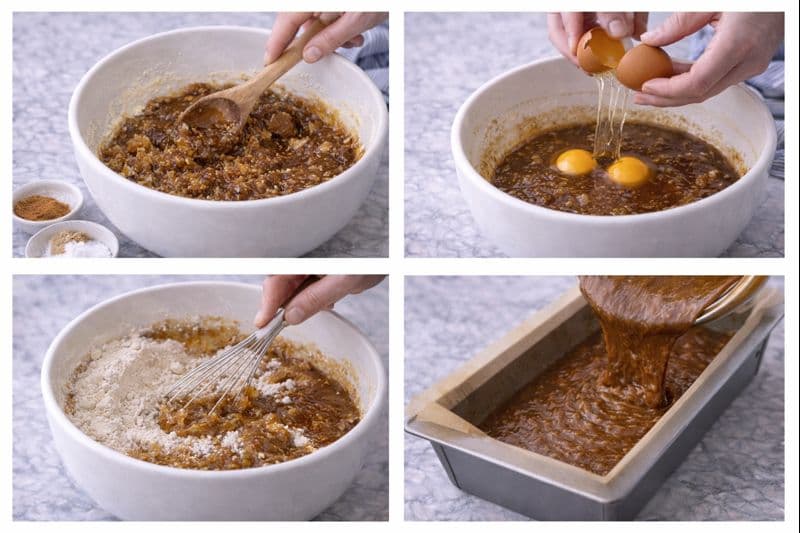
- Melt the base ingredients – Place the butter, golden syrup, and brown sugar into a saucepan and heat gently over low heat. Stir slowly until the butter has melted and the mixture becomes smooth and glossy. Do not let it boil, as overheating can affect the final texture of the gingerbread.
- Mix the dry ingredients – In a large bowl, sift together the flour, ground ginger, cinnamon, nutmeg, and bicarbonate of soda. Mixing the dry ingredients evenly at this stage helps distribute the spices and ensures the cake rises evenly during baking.
- Combine wet and dry – Carefully pour the warm syrup mixture into the bowl of dry ingredients. Use a wooden spoon or spatula to mix gently until the flour is fully incorporated. The batter should look thick and smooth without any dry patches.
- Add egg and milk – Stir in the egg followed by the milk, mixing slowly until the batter loosens and becomes silky. Avoid overmixing at this stage, as this can make the gingerbread dense instead of soft.
- Transfer to tin – Pour the batter into a lined baking tin and spread it evenly using the back of a spoon or spatula. Lightly tap the tin on the work surface to remove any trapped air bubbles.
- Bake until just set – Bake in a preheated oven at a moderate temperature until the gingerbread is risen and a skewer inserted into the centre comes out clean or with a few moist crumbs. Check slightly early to avoid overbaking.
- Cool before slicing – Leave the gingerbread to cool in the tin for about 15 minutes, then transfer to a wire rack. Allow it to cool completely so the texture firms up, making it easier to slice neatly without crumbling.
What I Got Wrong (And How I Fixed It)
- Cake turned dry – I reduced the baking time slightly and checked earlier.
- Flavour felt flat – Increasing the ginger and adding a touch of nutmeg solved it.
- Centre sank – Oven temperature was too high; lowering it fixed the issue.
- Sticky top – Letting it cool completely helped the surface settle.
Healthier Version of This Easy Gingerbread
- Use reduced-fat butter or swap half for yogurt
- Cut back slightly on syrup without losing moisture
- Use semi-skimmed milk instead of full-fat milk
- Add fresh grated ginger to boost flavour naturally
Ingredient Substitutions for Easy Gingerbread
- Golden syrup → honey or maple syrup
- Milk → oat milk or almond milk
- Butter → dairy-free baking spread
- Brown sugar → coconut sugar
Pairing Ideas: What to Serve With Easy Gingerbread
- Vanilla custard – Classic and comforting
- Whipped cream – Lightens the spice
- Lemon drizzle – Bright contrast to the warmth
- Hot tea or coffee – Perfect for cosy breaks
- Vanilla ice cream – Ideal for serving warm slices
Expert Tips to Make Perfect Gingerbread
- Do not overmix once flour is added
- Bake low and steady for an even rise
- Line the tin well to prevent sticking
- Cool fully before cutting for clean slices
- Store wrapped to keep it moist
- Flavour improves the next day, so don’t rush it
Creative Ways to Customize Easy Gingerbread
- Add orange zest for freshness
- Drizzle with lemon icing
- Mix in chopped dates or raisins
- Top with cream cheese frosting
- Dust with icing sugar for a simple finish
Storing Easy Gingerbread the Right Way
- Keep in an airtight container at room temperature
- Stays fresh for 4–5 days
- Refrigerate only if your kitchen is warm
- Freeze slices individually for up to 3 months
How to Reheat Gingerbread (If Needed)
- Warm slices briefly in the microwave
- Heat gently in a low oven
- Serve warm with custard or cream
Nutritional Breakdown (per serving)
- Calories: ~280 kcal
- Carbohydrates: ~40 g
- Fat: ~10 g
- Protein: ~4 g
- Sugar: ~22 g

Easy Gingerbread Recipe
- Prep Time: 15
- Cook Time: 35
- Total Time: 50 minutes
- Yield: 10 slices
- Category: Dessert
- Method: Baking
- Cuisine: British
Description
This gingerbread is a classic spiced bake made with ginger, warm spices, and a sweet syrup or molasses base. Unlike crisp ginger biscuits, this version is soft, sliceable, and closer to a loaf or traybake cake, designed for ease and consistent results.
Ingredients
-
- Plain flour – 225 g
-
- Ground ginger – 2 teaspoons
-
- Ground cinnamon – 1 teaspoon
-
- Ground nutmeg – ¼ teaspoon
-
- Bicarbonate of soda – 1 teaspoon
-
- Soft brown sugar – 100 g
-
- Golden syrup or molasses – 150 g
-
- Butter – 100 g (unsalted)
-
- Milk – 150 ml
-
- Egg – 1 large
Instructions
- Melt the base ingredients – Place the butter, golden syrup, and brown sugar into a saucepan and heat gently over low heat. Stir slowly until the butter has melted and the mixture becomes smooth and glossy. Do not let it boil, as overheating can affect the final texture of the gingerbread.
- Mix the dry ingredients – In a large bowl, sift together the flour, ground ginger, cinnamon, nutmeg, and bicarbonate of soda. Mixing the dry ingredients evenly at this stage helps distribute the spices and ensures the cake rises evenly during baking.
- Combine wet and dry – Carefully pour the warm syrup mixture into the bowl of dry ingredients. Use a wooden spoon or spatula to mix gently until the flour is fully incorporated. The batter should look thick and smooth without any dry patches.
- Add egg and milk – Stir in the egg followed by the milk, mixing slowly until the batter loosens and becomes silky. Avoid overmixing at this stage, as this can make the gingerbread dense instead of soft.
- Transfer to tin – Pour the batter into a lined baking tin and spread it evenly using the back of a spoon or spatula. Lightly tap the tin on the work surface to remove any trapped air bubbles.
- Bake until just set – Bake in a preheated oven at a moderate temperature until the gingerbread is risen and a skewer inserted into the centre comes out clean or with a few moist crumbs. Check slightly early to avoid overbaking.
- Cool before slicing – Leave the gingerbread to cool in the tin for about 15 minutes, then transfer to a wire rack. Allow it to cool completely so the texture firms up, making it easier to slice neatly without crumbling.
FAQs
Why did my gingerbread turn out dry?
Gingerbread becomes dry when it is baked for too long or at a temperature that is too high. To avoid this, check the cake a few minutes before the suggested baking time and remove it as soon as a skewer comes out clean or with a few moist crumbs. Gingerbread should feel soft when pressed lightly.
Can I make gingerbread without golden syrup?
Yes, golden syrup can be replaced with honey or maple syrup in equal amounts. The flavour will change slightly, but the texture will remain moist as long as the liquid sweetener is not reduced.
Why did my gingerbread sink in the middle?
A sunken centre is often caused by opening the oven door too early or using too much bicarbonate of soda. Make sure the oven is fully preheated and avoid checking the cake until it has set around the edges.
How do I know when gingerbread is fully baked?
The gingerbread is ready when the top feels set, the edges pull slightly away from the tin, and a skewer inserted into the centre comes out clean or with a few soft crumbs attached.
Wrapping It Up
This Gingerbread Recipe is everything a comforting bake should be—simple, warmly spiced, and reliably moist. It’s the kind of recipe you can bake on a quiet afternoon or share during festive moments, knowing it will always deliver. Once you try it, it’s likely to become a regular favourite in your kitchen.