 Ekani Ella
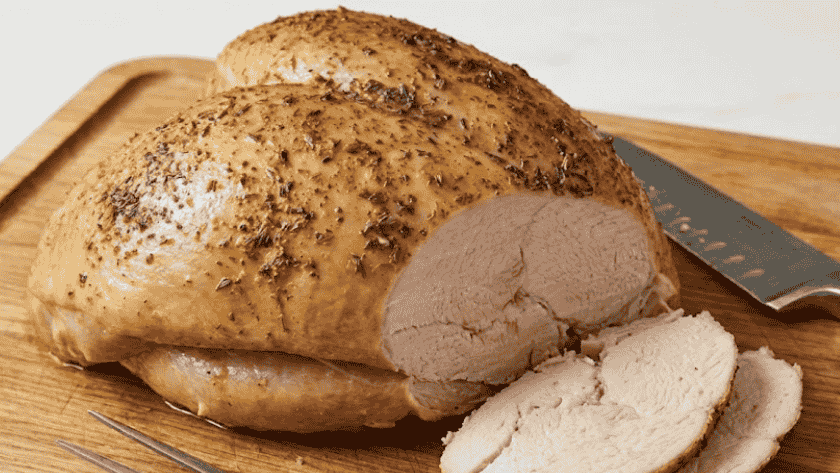
 Cooking a boneless turkey breast in the oven does not need to feel intimidating. Think of it like roasting a large chicken breast—simple steps, steady heat, and patience lead to great results. This cut is lean, cooks evenly, and works well for small gatherings or weeknight meals. With the right prep and timing, you get juicy meat, crisp edges, and clean slices every time.
Why Choose a Boneless Turkey Breast
A boneless turkey breast is practical and efficient. It cooks faster than a whole bird and takes up less space in the oven. There is no carving drama either—just slice and serve. It is also easier to season evenly, so every bite carries flavor.
What You’ll Need
Keep things straightforward. A short ingredient list lets the turkey shine.
- Boneless turkey breast (2½–3 pounds)
- Olive oil or melted butter
- Salt and black pepper
- Garlic (fresh or powder)
- Dried herbs like thyme, rosemary, or sage
- Optional aromatics: onion wedges, lemon halves, fresh herbs
Preparing the Turkey Breast
Good preparation sets the tone for the entire roast.
Start by patting the turkey breast dry with paper towels. Moisture on the surface can block browning. Next, rub the turkey all over with oil or butter. This creates a protective layer that helps the meat stay juicy.
Season generously with salt and pepper. Add garlic and herbs, pressing them into the surface so they stick. If the breast is uneven in thickness, tie it lightly with kitchen twine to help it cook evenly.
Oven Temperature and Setup
Preheat the oven to 375°F (190°C). This temperature strikes a balance—hot enough to brown the outside while giving the inside time to cook gently.
Place the turkey breast on a rack set inside a roasting pan. The rack allows hot air to circulate, preventing soggy bottoms. If you do not have a rack, set the turkey on thick onion slices.
Roasting the Turkey Breast
Slide the pan into the center of the oven. Roast uncovered so the surface can brown.
As a general rule, plan for 20 minutes per pound. For a 3-pound breast, that is about one hour. Halfway through, you can baste with pan juices, but it is optional. Too much basting cools the oven and slows cooking.
The most reliable sign of doneness is temperature, not time. Insert a meat thermometer into the thickest part. When it reads 165°F (74°C), the turkey is ready.
Resting Makes the Difference
Once out of the oven, resist the urge to cut right away. Rest the turkey for 10–15 minutes, loosely covered with foil. This pause lets the juices settle back into the meat, like water soaking into a sponge. Skip this step, and the juices run out onto the board.
How to Slice for Best Results
Slice the turkey breast across the grain using a sharp knife. Thin, even slices stay tender and look neat on the plate. If you tied the breast, remove the twine before slicing.
Flavor Variations to Try
Simple seasoning works, but small twists keep things interesting.
- Herb butter finish: Brush with melted herb butter right after roasting.
- Citrus touch: Add lemon zest to the seasoning mix.
- Spice warmth: A pinch of smoked paprika adds color and mild heat.
Serving Ideas
Boneless turkey breast pairs well with many sides. Roasted vegetables, mashed potatoes, or a fresh green salad all work. Leftovers are excellent for sandwiches, wraps, or grain bowls the next day.
Common Mistakes to Avoid When Making Boneless Turkey Breast
- Skipping the thermometer and guessing doneness
- Overcooking to “be safe,” which dries the meat
- Cutting immediately without resting
FAQs
How long does it take to cook a boneless turkey breast in the oven?
A boneless turkey breast usually takes about 20 minutes per pound at 375°F (190°C). A 3-pound breast typically cooks in around 60 minutes, but always confirm doneness with a thermometer rather than relying only on time.
Should I cover a boneless turkey breast while roasting?
It is best to roast a boneless turkey breast uncovered. Leaving it open to the heat helps the outside brown properly. If it starts to brown too fast, loosely tent it with foil during the last part of cooking.
How do I keep a boneless turkey breast from drying out?
Rubbing the turkey with oil or butter, cooking at the right temperature, and removing it as soon as it reaches 165°F (74°C) helps prevent dryness. Letting it rest for 10–15 minutes after roasting also keeps the meat juicy.
How do I know when a boneless turkey breast is fully cooked?
The turkey is fully cooked when a meat thermometer inserted into the thickest part reads 165°F (74°C). The juices should run clear, and the meat should feel firm but still springy when pressed.
How long does a boneless turkey breast take to cook?
A boneless turkey breast usually takes about 20 minutes per pound when cooked at 375°F (190°C). For example, a 3-pound breast will take roughly 55–65 minutes. The most accurate way to judge doneness is by using a meat thermometer; it should read 165°F (74°C) at the thickest part.
How to cook a boneless turkey breast so it is moist?
To keep a boneless turkey breast moist, rub it with oil or butter, season well, and roast it at a steady temperature rather than high heat. Remove it from the oven as soon as it reaches 165°F (74°C) and let it rest for 10–15 minutes before slicing. This resting time allows the juices to settle back into the meat.
Should you cover a boneless turkey breast when cooking?
A boneless turkey breast is best cooked uncovered for most of the roasting time so the surface can brown. If it starts to brown too quickly, you can loosely cover it with foil toward the end to prevent over-browning while it finishes cooking.
Is it better to roast or bake a turkey breast?
Roasting is generally better than baking for a turkey breast. Roasting uses slightly higher heat, which helps develop flavor and color on the outside while keeping the inside juicy. Baking at lower temperatures can work, but it often results in less browning.
Final Thoughts
Cooking a boneless turkey breast in the oven is about control, not complexity. Dry the surface, season well, roast at a steady temperature, and trust the thermometer. Follow these steps, and you get a result that feels reliable and satisfying—like a recipe you can return to again and again.