
 Ekani Ella
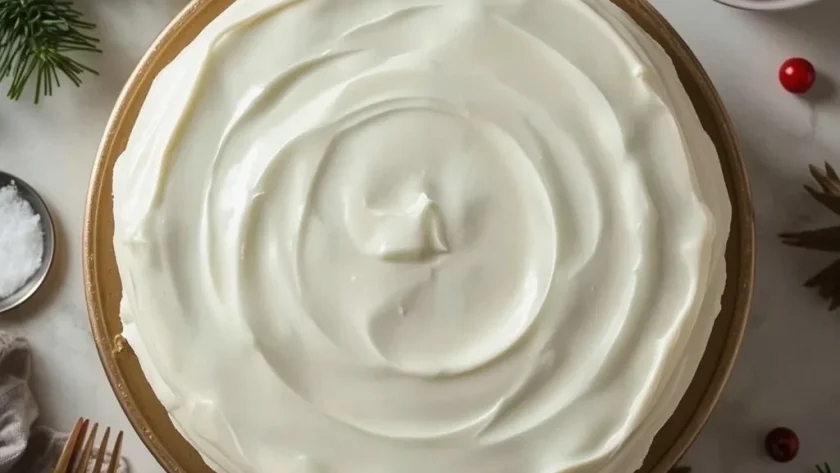
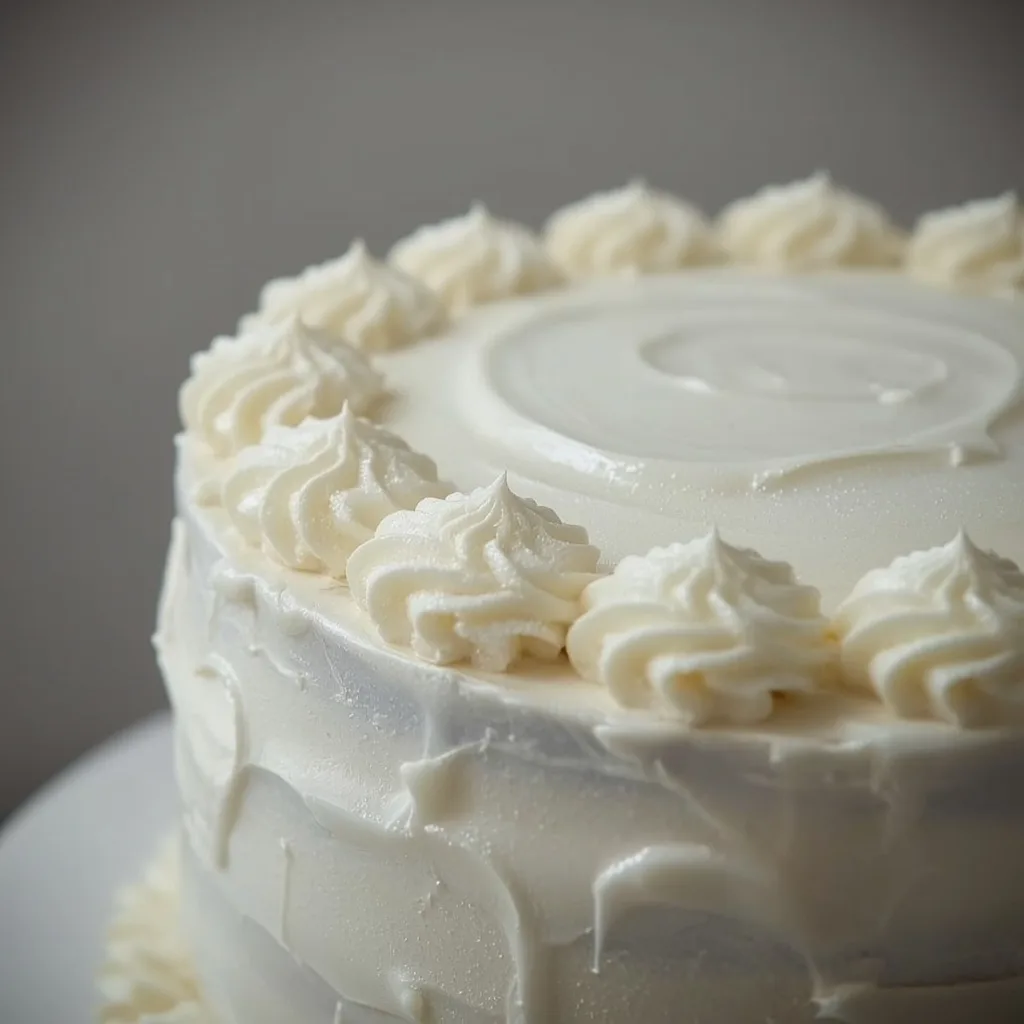
Mary Berry Royal Icing for Christmas Cake is the classic British finish that turns a plain fruit cake into a proper celebration centrepiece. Made from egg whites, sifted icing sugar and a squeeze of lemon, it sets to a smooth, glossy shell that holds piping, snowflakes and ribbon beautifully. The texture is firm but light, and the flavour stays sweet and clean without overwhelming the cake beneath.
You’ll need 10 minutes from start to finish, and the method is beginner-friendly — the only real pitfall is adding the sugar too quickly, which leaves lumps. It’s made for the Christmas season, though any celebration fruit cake benefits from the same pristine white topping.
What is Mary Berry Royal Icing for Christmas Cake
This is a simple, non-alcoholic royal icing built on three core ingredients: egg whites, icing sugar and lemon juice, with a little glycerin if you want a softer set. Egg whites are whipped to soft peaks before the sugar goes in, then everything is beaten to a thick, glossy consistency. The lemon juice stabilises the foam, and the glycerin keeps the icing from setting rock-hard so the cake slices cleanly. Once spread, it dries to a firm shell with a gentle sheen. The flavour is pure sweetness with a faint citrus lift, and the texture is dense enough to pipe but light enough to eat.
Why You Should Try This Recipe
Plenty of royal icing recipes exist, but this one is unusually forgiving for home bakers.
- Foolproof method — Adding the sugar gradually and beating to firm peaks gives consistent results every time.
- Simple ingredients — Four everyday items, no specialist equipment and nothing hard to source.
- Holds decorations well — The firm set supports piped snowflakes, trees and lettering without sagging.
- Softer to cut — A quarter teaspoon of glycerin stops the icing turning brittle on the cake.
- Non-alcoholic — Safe for all ages, which matters on a Christmas table shared with children.
Ingredients Needed to Make Mary Berry Royal Icing for Christmas Cake
You probably have most of these already, though quality does make a difference.
The Base
- 2 large egg whites (about 60g), at room temperature — These provide the structure and volume; room temperature whites whip faster, so pull them out of the fridge 30 minutes ahead.
- 1 pound (454g) powdered sugar (icing sugar), sifted — The bulk of the icing; always sift to remove lumps, and use a fresh, dry bag rather than one that’s been open for months.
Stabiliser and Softener
- 1/2 teaspoon lemon juice, freshly squeezed — Acid helps the egg foam hold its shape; bottled juice works in a pinch but fresh tastes cleaner.
- 1/4 teaspoon glycerin (optional, for softer set) — Keeps the icing sliceable rather than rock-hard; leave it out if you want the firmest possible shell for piping.
Equipment Needed
Nothing fancy here, but a couple of the tools genuinely matter.
- Electric hand mixer — Beating by hand takes far longer; a stand mixer works just as well with the whisk attachment.
- Glass or metal mixing bowl — Plastic can retain oils that stop whites whipping; grease-free is the goal.
- Fine sieve — Essential for sifting the icing sugar so you don’t end up with lumpy icing.
- Flexible spatula — Useful for scraping down the bowl and pressing plastic wrap onto the surface for storage.
- Palette knife or offset spatula — Gives you a smooth, even finish when spreading over the cake.
Instructions to Make Mary Berry Royal Icing for Christmas Cake
The whole process takes about 10 minutes, so read through once before you start — royal icing begins drying as soon as it’s exposed to air.
- Prep your bowl — Make sure the bowl and whisk are completely clean and grease-free; any trace of fat stops the whites whipping properly.
- Add the egg whites — Crack them in and let them reach room temperature if they haven’t already, which helps them whip to full volume.
- Whip to soft peaks — Beat on medium speed for 1-2 minutes until frothy and just holding soft peaks; don’t overbeat.
- Add the lemon juice — Beat for 10 seconds to combine, which stabilises the foam.
- Incorporate the sugar — With the mixer on low, add the sifted icing sugar about 1/4 cup at a time to prevent lumps.
- Beat to firm peaks — Increase to medium-high and beat 5-7 minutes until thick and glossy; it should hold a firm peak and be spreadable but hold its shape.
- Beat in glycerin — If using it, add during the last minute so the icing sets softer and slices cleanly.
- Check consistency — Add a few drops of water if too stiff, or a tablespoon of sifted sugar if too runny.
- Apply to the cake — Spread or pipe onto a cooled Christmas cake and work quickly, as the icing dries on contact with air.
- Store leftovers — Transfer to an airtight container, press plastic wrap onto the surface to stop a skin forming, and keep at room temperature up to 2 days.
What Goes Well With Mary Berry Royal Icing for Christmas Cake
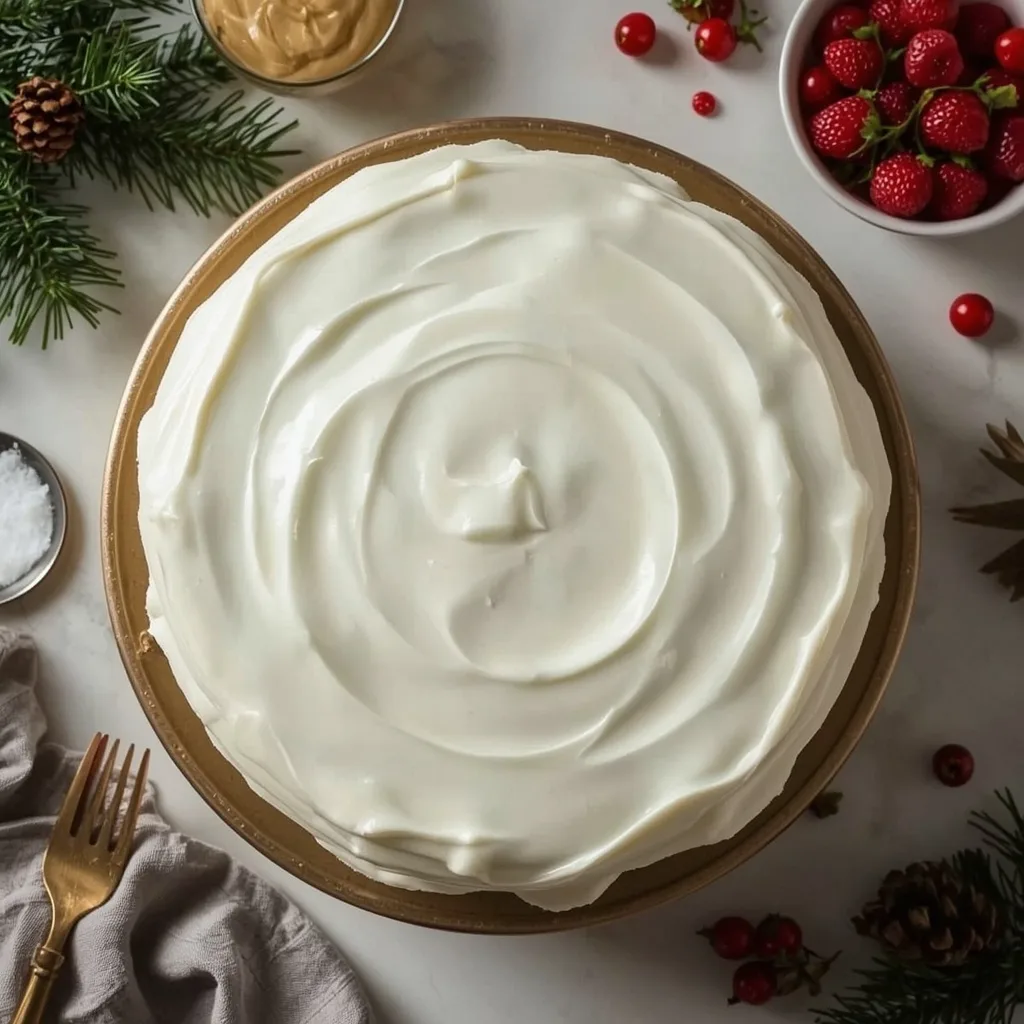
The icing is the crown, but what you serve alongside the slice matters just as much.
- Hot tea — A strong cup of English breakfast cuts through the sweetness beautifully.
- Mulled apple juice — A non-alcoholic warmer that echoes the festive spice of the fruit cake.
- Clotted cream — A small spoonful adds a cool, rich contrast to the firm icing shell.
- Brandy butter (or vanilla butter) — Serve on the side for anyone wanting extra richness; keep it alcohol-free with a vanilla version.
- Fresh orange segments — Bright acidity balances the sugar load and cleans the palate.
- Piped sugar snowflakes — Use leftover icing to make decorations that carry the same flavour and look.
- Aged fruit cake — The icing is designed for rich, matured cake; the denser crumb holds up under the firm shell.
Expert Tips for Making the Best Mary Berry Royal Icing for Christmas Cake
A few small habits separate glossy icing from grainy or brittle results.
- Dry your bowl thoroughly — Even one drop of water in the bowl before whipping weakens the foam.
- Sift twice — Doubling up removes stubborn lumps that slow the beating stage and create gritty patches.
- Add sugar in small additions — Quarter-cup batches prevent clumping and give a smoother final texture.
- Watch the clock on beating — Under-beating leaves icing runny; the 5-7 minute range is where it thickens and gloss develops.
- Cover while you work — Drape cling film over the bowl during pauses, or a skin will form on the surface.
- Use a cooled cake — Warm cake traps steam under the icing and makes it sticky.
- Skip the fridge after icing — Leave the iced cake at room temperature 24-48 hours to set firm; condensation in the fridge softens the shell.
Easy Variations of Mary Berry Royal Icing for Christmas Cake
Small tweaks change the look and texture without breaking the method.
- Almond extract — Add a quarter teaspoon alongside the lemon for a warm, marzipan-like note.
- Vanilla version — Replace the lemon juice with a teaspoon of vanilla extract for a softer flavour profile.
- Snow-white finish — Add a drop of white gel food colouring if your icing looks slightly cream; avoid liquid colouring.
- Stiffer pipework — Beat in one extra tablespoon of sifted sugar for a firmer icing suited to intricate piping.
- Softer spread — A few extra drops of water give a smoother spread for a flat top.
- Silver accents — Dust set icing with edible lustre powder for a subtle shimmer.
Best Practices to Store Mary Berry Royal Icing for Christmas Cake
Royal icing is delicate once made, so storage is where it pays to be careful.
- Airtight container — Keep at room temperature for up to 2 days with plastic wrap pressed directly onto the surface.
- Freezer method — Store in a freezer-safe container up to 3 months, then thaw overnight in the fridge and rebeat gently.
- Rebeat before using — Stored icing separates slightly; a quick whisk restores the original texture.
- Leftover decorations — Pipe onto baking parchment and dry fully before handling, then keep in an airtight tin.
- Finished cake — Leave the iced cake at room temperature rather than refrigerated to avoid condensation.
Best Practices to Reheat Mary Berry Royal Icing for Christmas Cake
You’re not really reheating icing — you’re restoring its working texture, and gentle handling is the rule.
- Room-temperature rest — Leave stored icing out for 20-30 minutes before rebeating so it softens evenly.
- Brief microwave bursts — Microwave on low for 5-10 seconds only if very stiff, watching closely so the egg doesn’t cook.
- Fridge thaw — Frozen icing should thaw overnight in the refrigerator, never on the counter, then rebeat gently.
- Stand mixer revive — A 30-second low-speed beat brings back the glossy consistency after thawing.
How Can I Make Mary Berry Royal Icing for Christmas Cake Healthier?
Royal icing is sugar by design, so tweaks are about portions and small swaps rather than remaking the recipe.
- Smaller servings — Use a thinner layer of icing on the cake to cut the sugar per slice.
- Reduce icing sugar slightly — Trim 25g and add water drops for a lighter, less sweet set; expect a softer finish.
- Add lemon zest — A little zest brings flavour without extra sugar.
- Skip the glycerin — You’ll use less icing overall, since a firm set needs less depth to hold decorations.
- Pair with fruit — Serve alongside fresh orange or berries to balance the sugar hit on the plate.
Nutrition Value (per serving)
Based on 1 serving = roughly one-quarter of the total icing (enough for a small cake).
- Calories: 228
- Protein: about 1g
- Fat: 0g
- Saturated Fat: 0g
- Carbohydrates: around 57g
- Fibre: 0g
- Sugar: about 56g
- Sodium: 11mg
- Cholesterol: 0mg
FAQs
Can I freeze Mary Berry Royal Icing for Christmas Cake?
Yes — transfer it to a freezer-safe container and freeze for up to 3 months. Thaw overnight in the refrigerator, then rebeat gently before spreading or piping.
How long does Mary Berry Royal Icing for Christmas Cake last in the fridge?
It’s not designed for fridge storage; keep it airtight at room temperature for up to 2 days instead. Refrigeration encourages condensation that softens the icing.
Can I make royal icing without glycerin?
Absolutely. The glycerin only softens the set for easier slicing — leave it out if you want the firmest possible shell for intricate decoration.
Why is my royal icing grainy?
Unsifted icing sugar or sugar added too quickly is usually the culprit. Sift twice and add it a quarter-cup at a time on low speed.
How long should the iced cake set before decorating?
Let the icing firm up at room temperature for 24-48 hours before adding ribbon or piping final touches. The surface should feel dry and firm to the touch.
Can I make Mary Berry Royal Icing for Christmas Cake ahead of time?
Yes — make it up to 2 days in advance and store airtight at room temperature. Rebeat gently before using so it regains its gloss and piping consistency.
Final Words
A smooth, glossy royal icing is one of those finishing touches that makes a homemade Christmas cake look genuinely professional, and this Mary Berry Royal Icing for Christmas Cake method is about as achievable as it gets. With four ingredients, 10 minutes and a steady hand on the sugar, you’ll have a shell strong enough for piping and soft enough to slice. Give it a go this season — the cake deserves it.
PrintMary Berry Royal Icing for Christmas Cake
A classic royal icing recipe from Mary Berry, perfect for giving your Christmas cake a smooth, pristine finish. It sets to a firm, glossy shell that holds intricate piping and decorations beautifully, while remaining sweet and light. This non-alcoholic version uses simple ingredients and a foolproof method for consistent results.
- Prep Time: 10
- Total Time: 10
- Yield: 4 1x
- Category: Dessert
- Method: No-Cook
- Cuisine: British
Ingredients
- 2 large egg whites (about 60g), at room temperature
- 1 pound (454g) powdered sugar (icing sugar), sifted
- 1/2 teaspoon lemon juice, freshly squeezed
- 1/4 teaspoon glycerin (optional, for softer set)
Instructions
- Ensure your bowl and whisk are completely clean and grease-free. Any trace of fat will prevent the egg whites from whipping properly. Use a glass or metal bowl; plastic can retain oils.
- Crack the egg whites into the bowl. Let them come to room temperature if you haven’t already; this helps them whip to full volume.
- Using an electric hand mixer on medium speed, beat the egg whites until frothy and just starting to hold soft peaks. This takes about 1-2 minutes. Do not overbeat.
- Add the lemon juice and beat for 10 seconds to combine. The acid helps stabilize the foam.
- With the mixer on low speed, gradually add the sifted powdered sugar, about 1/4 cup at a time. Adding it slowly prevents lumps and ensures a smooth icing.
- Once all the sugar is incorporated, increase the speed to medium-high and beat for 5-7 minutes, until the icing is thick, glossy, and holds a firm peak when the beaters are lifted. It should be spreadable but hold its shape.
- If using glycerin, beat it in during the last minute of mixing. Glycerin keeps the icing from setting rock-hard, making it easier to cut.
- Check the consistency: it should be thick enough to pipe and spread without running. If it’s too stiff, add a few drops of water; if too runny, add a tablespoon of sifted powdered sugar.
- Use immediately: spread or pipe onto your cooled Christmas cake. Work quickly as royal icing begins to dry when exposed to air.
- To store, transfer to an airtight container and press plastic wrap directly onto the surface to prevent a skin from forming. It can be kept at room temperature for up to 2 days; rebeat gently before use.
Notes
Storage: Store royal icing in an airtight container with plastic wrap pressed onto the surface at room temperature for up to 2 days. Rebeat gently before using. For longer storage, freeze in a freezer-safe container for up to 3 months; thaw overnight in the refrigerator and rebeat. Apply to a completely cooled cake. Once applied, allow the icing to set at room temperature for 24-48 hours until firm to the touch. Do not refrigerate the iced cake, as condensation can cause the icing to become sticky. Leftover icing can be used to pipe decorations; let them dry completely before handling.
Nutrition
- Calories: 228
- Sugar: 56g
- Sodium: 11mg
- Unsaturated Fat: 0g
- Carbohydrates: 57g
- Fiber: 0g
- Protein: 1g
- Cholesterol: 0mg
Keywords: royal icing, Christmas cake icing, Mary Berry royal icing, foolproof royal icing, egg white icing, icing for fruit cake, holiday baking, cake decorating, non-alcoholic icing, British Christmas cake


